 Inteligent
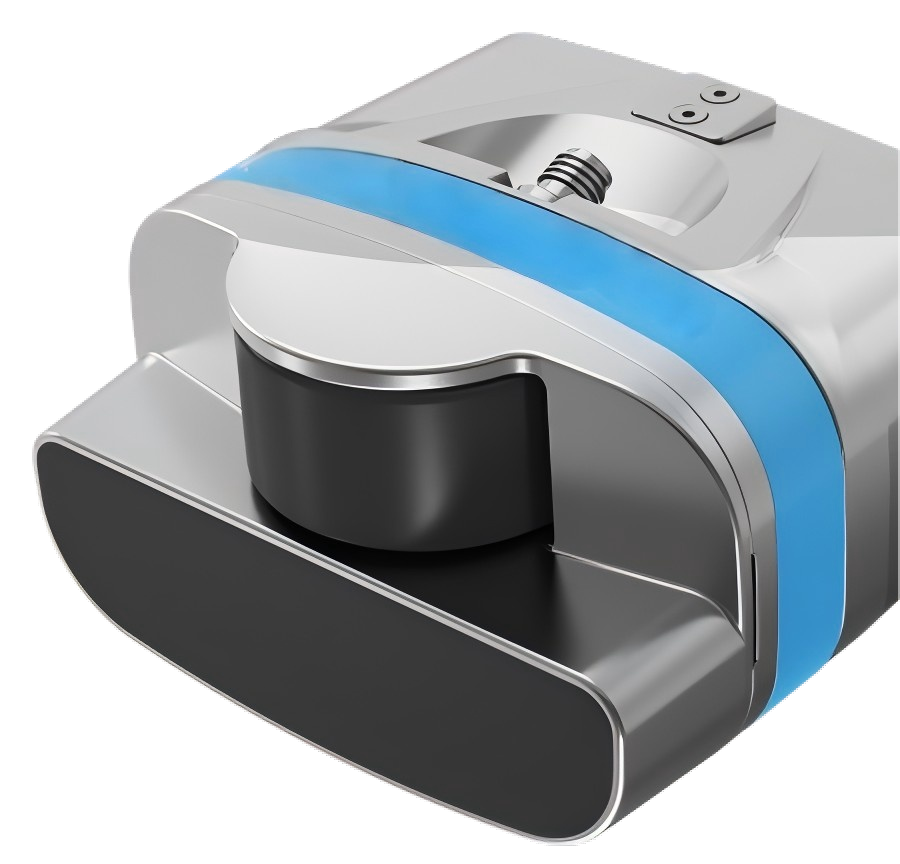
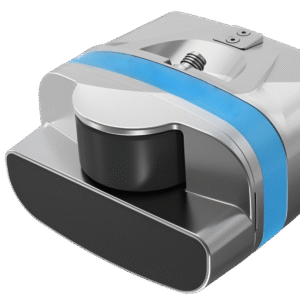
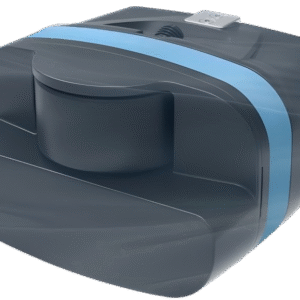
 GIM 800D High-Precision Forward-Looking Imaging Sonar
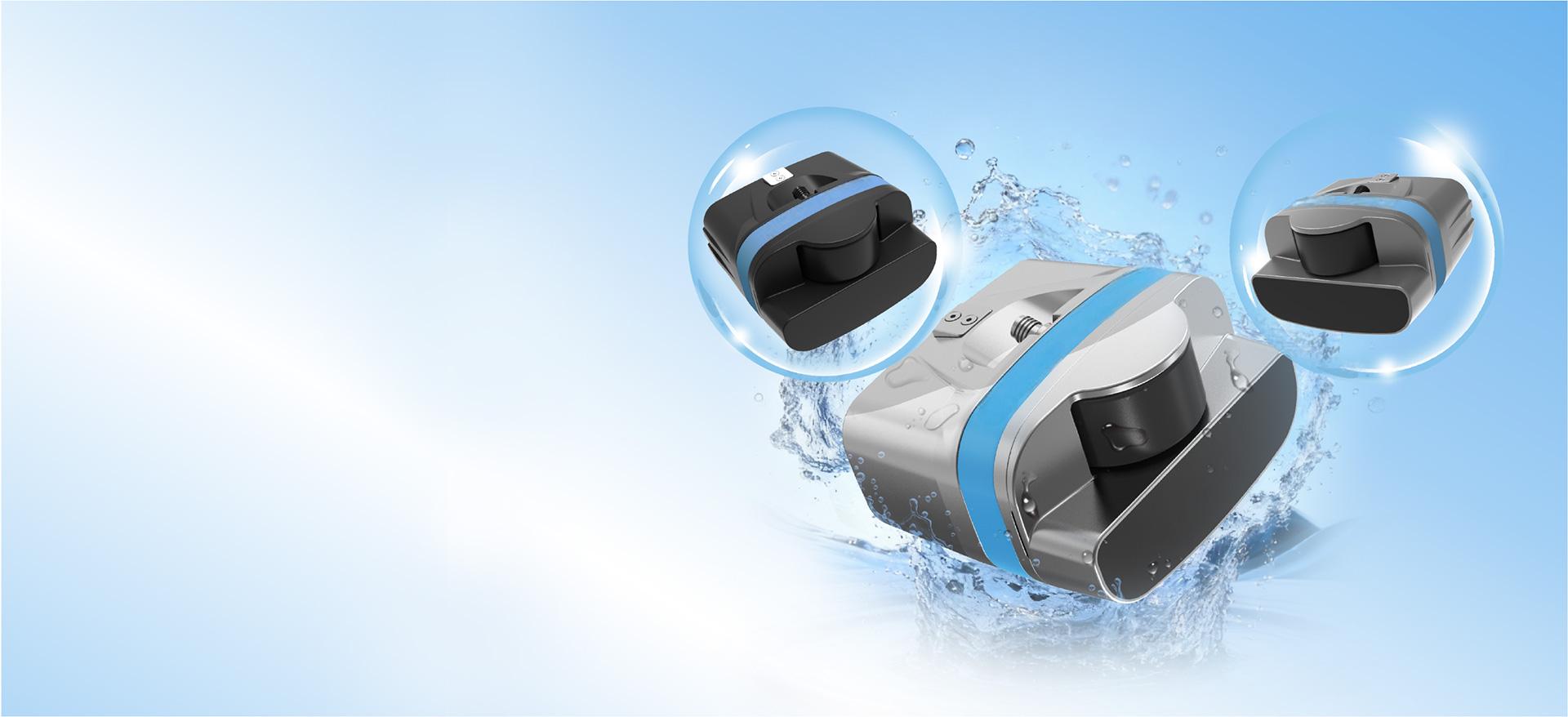
Dual-Frequency Underwater Detection | Ultra-High Resolution | Real-Time Imaging | ROV & AUV Navigation
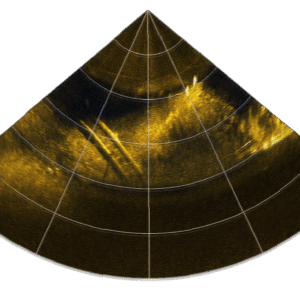
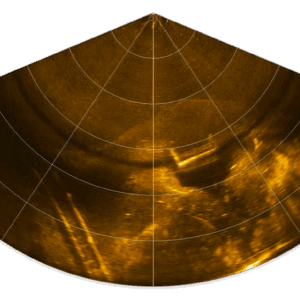
The GIM 800D High-Precision Forward-Looking Imaging Sonar is an advanced underwater acoustic imaging system designed for underwater target detection, obstacle avoidance, navigation assistance, and underwater inspection applications.
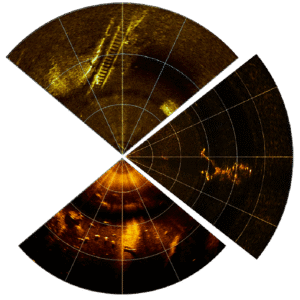
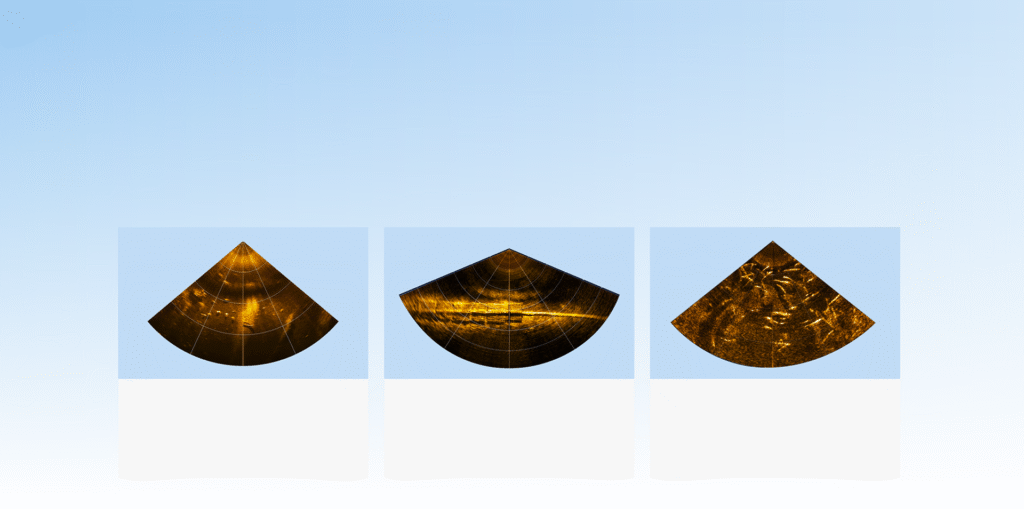
Featuring dual operating frequencies of 850 kHz and 1150 kHz, the GIM 800D provides flexible detection capabilities for both long-range target searching and close-range detailed observation. Its wide horizontal field of view of up to 130°, combined with advanced digital signal processing and image enhancement technology, enables operators to obtain clear, real-time acoustic images of underwater environments.
With a maximum detection range of 120 meters, a minimum detection range of 0.1 meter, and a distance resolution of 3 mm, this imaging sonar provides detailed underwater environmental information for professional marine operations.
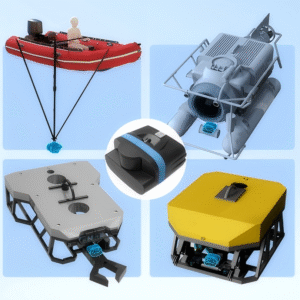
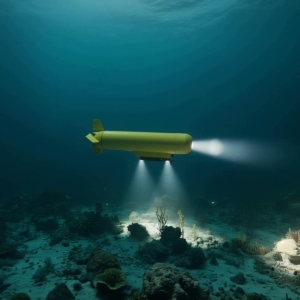
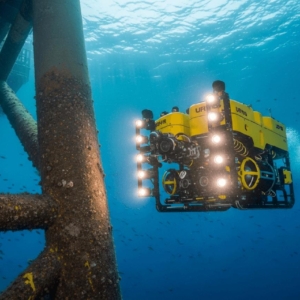
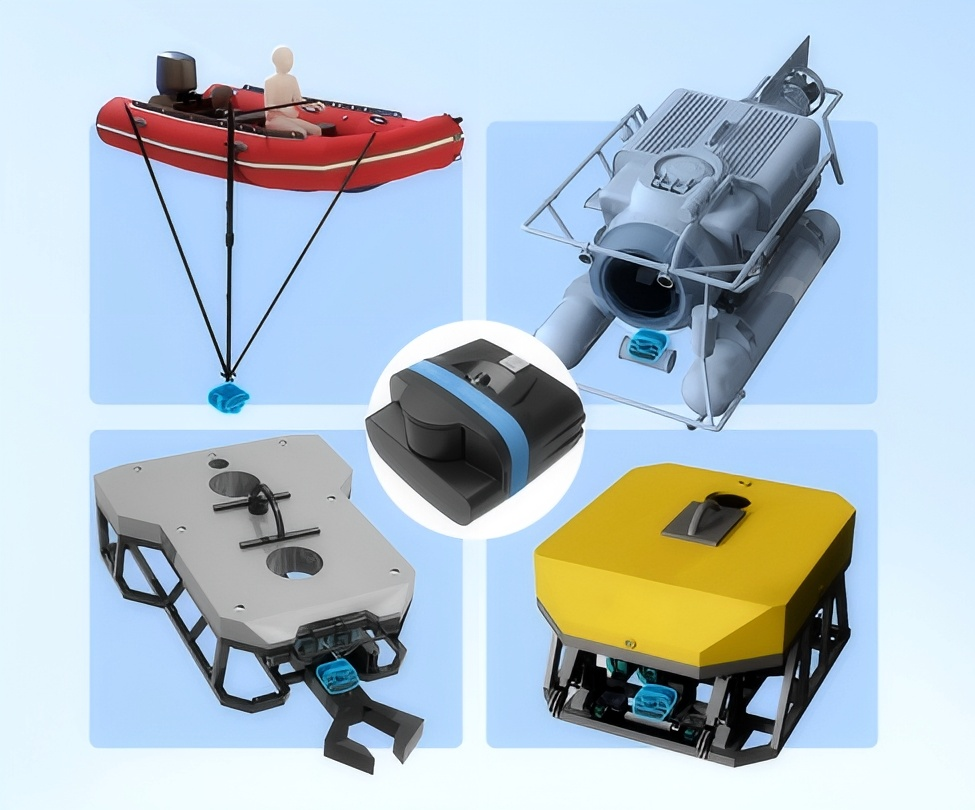
Designed with a compact structure, lightweight construction, and flexible integration capabilities, the GIM 800D is particularly suitable for installation on remotely operated vehicles (ROVs), autonomous underwater vehicles (AUVs), surface platforms, and other compact underwater equipment.
Whether used for underwater target searching, navigation assistance, collision avoidance, pipeline inspection, or complex underwater structure inspection, the GIM 800D delivers reliable acoustic imaging support for demanding underwater missions.
 1. Key Features of GIM 800D Imaging Sonar
 1.
1.1 Dual-Frequency Technology: 850 kHz and 1150 kHz
The GIM 800D supports two selectable center frequencies, 850 kHz and 1150 kHz, allowing operators to adapt sonar performance to different detection distances and operational requirements.
The 850 kHz frequency provides a wider horizontal field of view and longer detection range, making it suitable for broader underwater searching and target detection.
The 1150 kHz frequency provides a narrower horizontal field of view and detailed close-range observation, helping operators identify underwater targets with greater acoustic detail.
This dual-frequency configuration offers greater operational flexibility and allows users to select the appropriate frequency according to the underwater environment, target characteristics, and mission requirements.
1.2 Ultra-High-Resolution Underwater Imaging
Accurate underwater target identification requires more than simply detecting an object. The ability to distinguish target details from surrounding underwater structures is equally important.
The GIM 800D incorporates advanced digital signal processing and image enhancement technologies to improve acoustic image clarity and target visibility.
With a range resolution of 3 mm and a minimum beam resolution of 0.2°, the system is designed to provide highly detailed underwater acoustic images.
These capabilities support the detection and observation of underwater objects, structural features, and potential obstacles, helping operators make better-informed decisions during underwater operations.
1.3 Wide Horizontal Field of View
The GIM 800D provides a maximum horizontal field of view of 130° at 850 kHz, enabling broad forward-looking underwater coverage.
At 1150 kHz, the horizontal field of view is 100°, providing a more focused observation area for close-range inspection.
Its vertical beam opening angle reaches 20°, supporting effective underwater environmental observation.
The wide viewing coverage helps reduce blind areas in front of underwater platforms and provides valuable acoustic information for navigation assistance and obstacle detection.
1.4 Real-Time Imaging with High Refresh Rate
For underwater robots and autonomous platforms, timely environmental information is essential.
The GIM 800D supports a maximum data update rate of 40 Hz, providing high-frequency real-time sonar data for underwater observation and navigation applications.
This capability is particularly useful for ROV and AUV operations where underwater obstacles, structural changes, and target positions need to be monitored continuously.
Combined with advanced image processing, the system provides an effective acoustic sensing solution for dynamic underwater environments.
1.5 Compact and Lightweight Design
Space and payload capacity are important considerations when integrating equipment into underwater unmanned platforms.
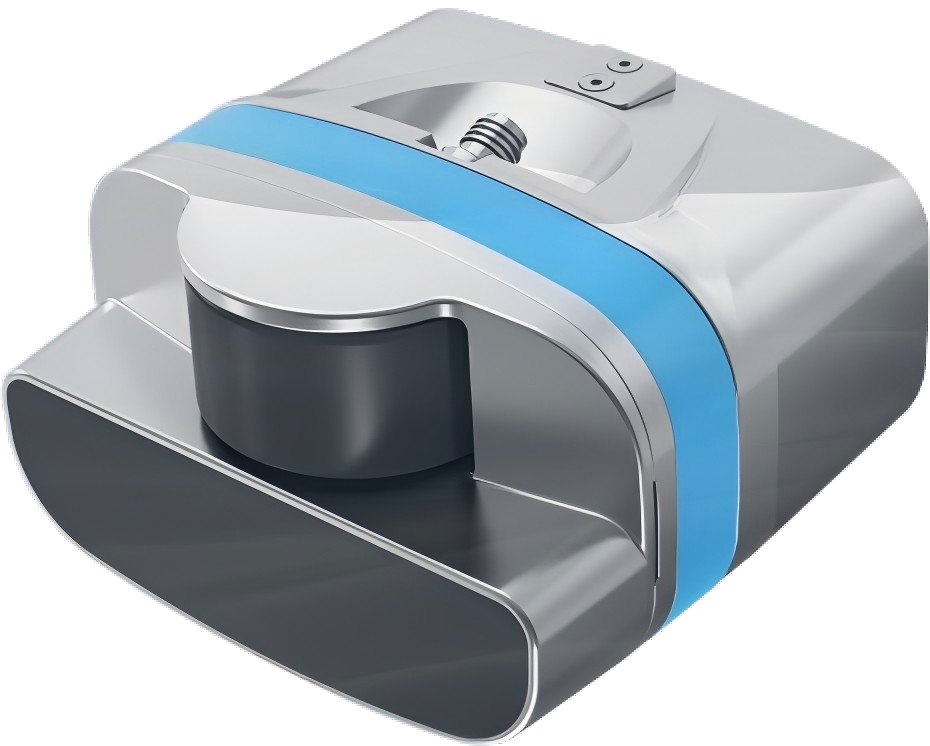
The GIM 800D features a compact mechanical structure with maximum dimensions of 125 × 118 × 80 mm and a weight of no more than 1.3 kg in air.
Its lightweight construction and flexible mounting arrangement make it suitable for various compact underwater platforms and equipment configurations.
The sonar can be installed using four M4 bolts at the bottom and two M4 bolts at the rear, providing practical installation options for system integrators.
1.6 Advanced Image Processing and Target Detection
Underwater acoustic images may contain background interference caused by seabed structures, suspended particles, and surrounding objects.
The GIM 800D integrates digital signal processing and image enhancement functions to improve image presentation and assist operators in distinguishing underwater targets from background information.
Its software provides useful visualization and operation tools, including:
- Distance measurement and ruler functions.
- Multiple color palette options.
- Real-time sonar configuration.
- Image screenshots.
- Screen recording.
- Horizontal image flipping.
- Vertical image flipping.
- Sonar data acquisition and visualization.
These functions support efficient underwater observation, target analysis, and mission documentation.
1.7 Flexible Integration and External Synchronization
The GIM 800D supports 100 Mbps Ethernet communication and an external network triggering function.
The external synchronization capability is useful for underwater platforms equipped with multiple acoustic devices, where coordinated operation can help manage acoustic interference.
Its dedicated display and control software, together with standard communication interfaces, supports integration into different underwater equipment systems.
 2. Technical Specifications
 2.
The following table presents the main technical parameters of the GIM 800D.
| Parameter | Specification |
|---|---|
| Model | GIM 800D |
| Product Type | Forward-Looking Imaging Sonar |
| Center Frequency | 850 kHz / 1150 kHz |
| Frequency Selection | Online adjustable |
| Maximum Detection Range | 120 m / 40 m |
| Minimum Detection Range | 0.1 m |
| Range Resolution | 3 mm |
| Horizontal Field of View | 130° @ 850 kHz |
| Horizontal Field of View | 100° @ 1150 kHz |
| Vertical Beam Opening Angle | 20° |
| Beam Resolution | 0.25° @ 850 kHz |
| Beam Resolution | 0.2° @ 1150 kHz |
| Beam Width | 1° @ 850 kHz |
| Beam Width | 0.6° @ 1150 kHz |
| Number of Beams | 512 |
| Maximum Data Update Rate | 40 Hz |
| Input Voltage | 24–36 V DC |
| Average Power Consumption | ≤48 W |
| Communication Interface | 100 Mbps Ethernet |
| Weight in Air | ≤1.3 kg |
| Weight in Water | 410 g |
| Maximum Dimensions | 125 × 118 × 80 mm |
| Maximum Operating Depth | 400 m / 600 m / 1500 m |
| Pressure Housing Material | Aluminum Alloy / Stainless Steel / Titanium Alloy |
| Installation | M4 Bolt Mounting |
Note: Detection range and operating depth depend on the selected configuration and operating conditions. Please contact GIM to confirm the appropriate configuration for your application.
 3. Designed for Professional Underwater Applications
 3.
The GIM 800D is suitable for a wide range of underwater detection, navigation, inspection, and marine research applications.
3.1 ROV – Remotely Operated Vehicle
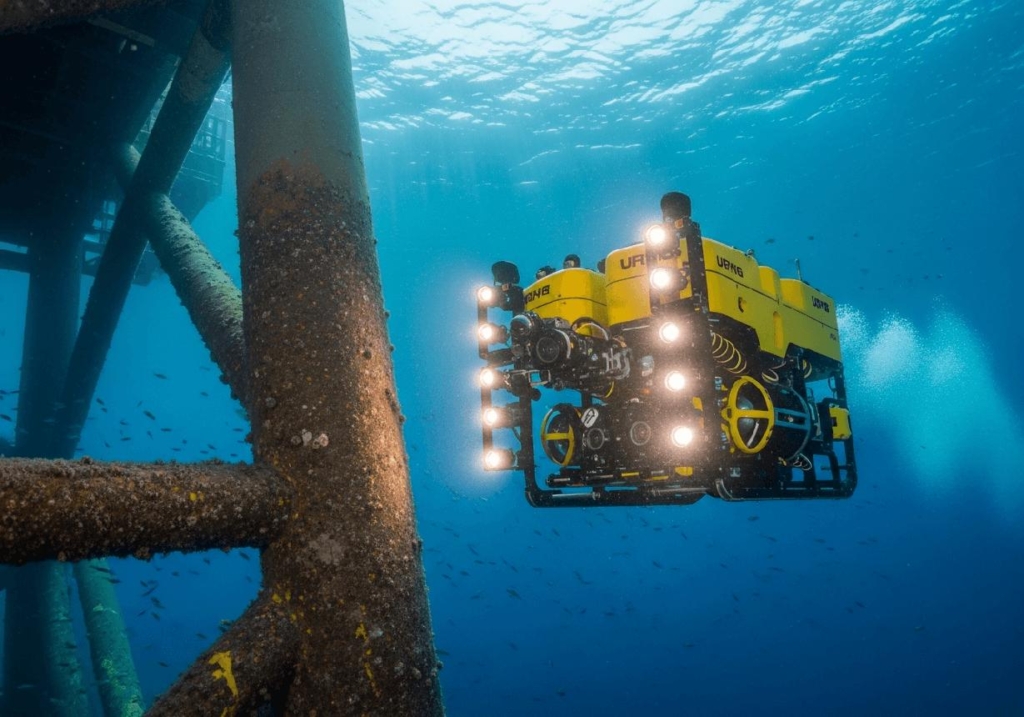
The GIM 800D can be integrated into ROV systems to provide forward-looking acoustic information during underwater operations.
It helps operators identify potential obstacles, observe underwater structures, and improve situational awareness when visibility is limited.
Typical applications include:
- Underwater inspection.
- Subsea structure observation.
- Obstacle detection.
- Underwater target searching.
- ROV navigation assistance.
3.2 AUV – Autonomous Underwater Vehicle
For autonomous underwater vehicles, forward-looking sonar provides important environmental information for navigation and obstacle avoidance.
The GIM 800D’s wide field of view and high data update rate support real-time forward-looking acoustic sensing.
Its compact design also makes it suitable for integration into space-limited AUV platforms.
Typical applications include:
- Autonomous navigation assistance.
- Forward obstacle detection.
- Underwater route inspection.
- Marine environmental observation.
- Underwater mission support.
3.3 Underwater Target Detection
The GIM 800D is designed to support the detection and observation of underwater targets in environments where optical cameras may be limited by water turbidity, suspended particles, or insufficient ambient light.
Its acoustic imaging capabilities provide additional environmental information for underwater searching and inspection tasks.
Potential applications include underwater object searching, target localization assistance, and marine investigation.
3.4 Pipeline Inspection
Subsea pipelines and underwater infrastructure require regular inspection to identify potential obstacles, external objects, and structural conditions.
The GIM 800D can provide forward-looking acoustic images to assist operators in observing pipeline surroundings and identifying objects in the inspection path.
It can be integrated into ROV-based pipeline inspection systems to support underwater inspection operations.
3.5 Complex Underwater Structure Inspection
Ports, offshore structures, subsea facilities, and underwater engineering installations often involve complicated underwater environments.
The GIM 800D provides acoustic imaging information that can assist in observing surrounding structures, detecting obstacles, and supporting underwater inspection operations.
3.6 Port Security and Marine Research
The system can also be applied to underwater searching, port-related underwater observation, and marine scientific research.
Its flexible installation options and real-time acoustic imaging capabilities make it suitable for different professional underwater platforms.
4. Multiple Pressure Housing Options for Different Depth Requirements
Different underwater missions require different operating depths and environmental resistance.
The GIM 800D supports multiple pressure-resistant housing configurations to meet different deployment requirements.
Available housing materials include:
Aluminum Alloy Housing
A lightweight option suitable for compact underwater equipment and applications with relatively moderate operating depths.
Stainless Steel Housing
Provides an alternative structural configuration for applications requiring different mechanical and environmental characteristics.
Titanium Alloy Housing
A lightweight, corrosion-resistant material option designed for demanding underwater environments and deep-water applications.
The available maximum operating depth configurations are 400 m, 600 m, and 1500 m.
The final pressure housing material and operating depth should be confirmed according to the actual product configuration.
 5. Sonar Software and Operational Functions
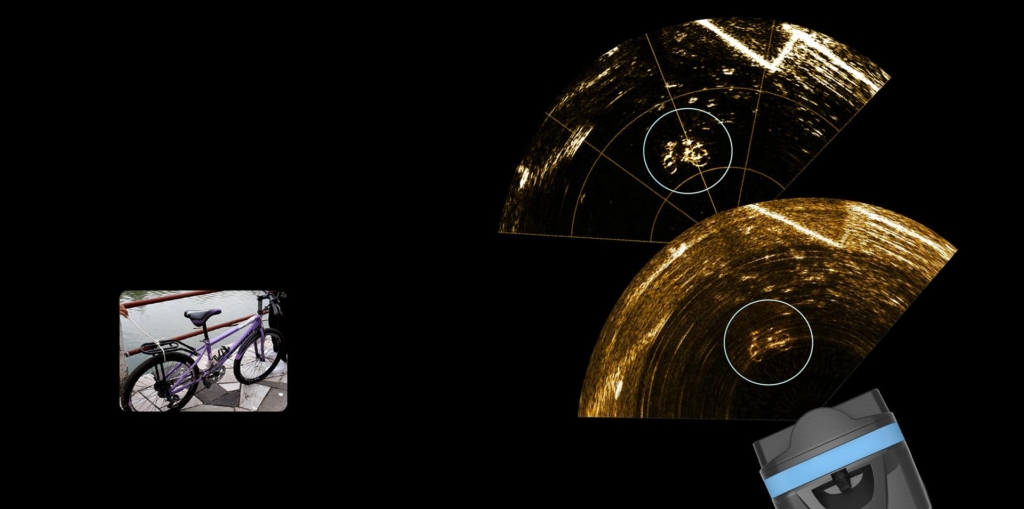 5.
The GIM 800D is supplied with dedicated display and control software to support system operation, acoustic image observation, and data management.
Main software functions include:
- Online selection between high and low operating frequencies.
- Manual sound velocity input.
- Seawater and freshwater mode switching.
- Water-column data acquisition.
- Video recording and playback.
- Screenshot capture.
- External network synchronization trigger.
- Distance measurement.
- Color palette selection.
- Horizontal and vertical image flipping.
- Sonar parameter configuration.
These functions provide operators with practical tools for underwater observation, image analysis, and operational data recording.
6. Electrical and Mechanical Integration
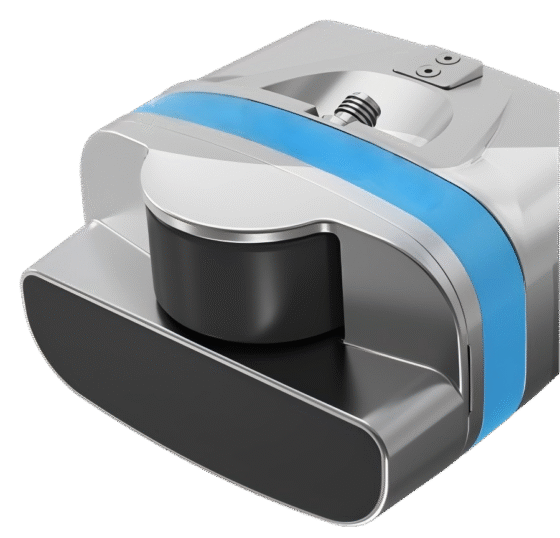
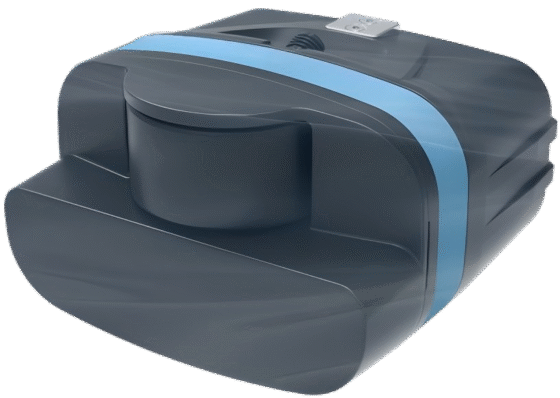
The GIM 800D is designed to support integration into professional underwater equipment and unmanned platforms.
Electrical Requirements
- Input voltage: 24–36 V DC.
- Average power consumption: ≤48 W.
- Communication: 100 Mbps Ethernet.
- External synchronization: Network trigger function.
Mechanical Integration
- Maximum dimensions: 125 × 118 × 80 mm.
- Weight in air: ≤1.3 kg.
- Weight in water: 410 g.
- Mounting: Four M4 bolts at the bottom and two M4 bolts at the rear.
The compact housing and Ethernet communication interface make the GIM 800D suitable for integration into ROVs, AUVs, underwater inspection equipment, and customized marine systems.
7. Standard Supply Package
A standard GIM 800D delivery package includes:
| No. | Description | Quantity |
|---|---|---|
| 1 | 800D Sonar Head | 1 |
| 2 | Watertight Test Cable | 1 |
| 3 | Integrated Cable | 1 |
| 4 | Power Adapter | 1 set |
| 5 | Installation Accessories | 1 set |
| 6 | User and Maintenance Manual | 1 electronic copy |
| 7 | Certificate of Conformity | 1 |
| 8 | Transportation Case | 1 |
The integrated cable length can be customized according to project requirements. The standard configuration specifies a 2-meter cable.
Please contact GIM to confirm the final supply list and cable configuration before ordering.
8. Why Choose GIM 800D Forward-Looking Imaging Sonar?
Choosing the right underwater imaging sonar is important for operational efficiency, system integration, and underwater mission safety.
The GIM 800D combines several important capabilities in one compact acoustic imaging system.
Dual-Frequency Flexibility
Two selectable frequencies provide flexible detection capabilities for different underwater observation distances.
High-Resolution Acoustic Imaging
Advanced signal processing and a minimum beam resolution of 0.2° support detailed underwater target observation.
Wide Forward-Looking Coverage
A maximum horizontal field of view of 130° provides broad forward-looking environmental information.
Real-Time Data Performance
A maximum data update rate of 40 Hz supports dynamic underwater observation and navigation assistance.
Compact System Integration
Its lightweight construction and compact dimensions make it suitable for small ROVs, AUVs, and customized underwater equipment.
Multiple Depth Configurations
Different pressure housing options support operating depths of up to 1500 meters, subject to the selected configuration.
Flexible Application Support
The system is suitable for underwater target detection, obstacle avoidance, pipeline inspection, marine research, and complex underwater structure observation.
9. Customized Underwater Sonar Solutions from GIM
Every underwater platform has different integration requirements, operating environments, and mission objectives.
GIM provides product selection and technical communication to help customers identify a suitable sonar configuration for their projects.
When evaluating the GIM 800D for your application, we recommend confirming the following information:
- Underwater platform type: ROV, AUV, surface vessel, or other equipment.
- Required maximum operating depth.
- Required detection distance.
- Preferred frequency and observation range.
- Available installation space and mounting arrangement.
- Power supply and communication requirements.
- Cable length and system integration requirements.
- Application environment and project objectives.
Our team can discuss the technical configuration and provide relevant product information according to your project requirements.
Whether you are developing an underwater robot, upgrading an existing inspection platform, or building a professional marine detection system, GIM is ready to support your equipment selection process.
 10. Frequently Asked Questions
 10.
Q1: What is the maximum detection range of the GIM 800D?
The GIM 800D supports a maximum detection range of 120 meters at 850 kHz and 40 meters at 1150 kHz. Actual detection performance depends on underwater conditions and target characteristics.
Q2: What is the difference between 850 kHz and 1150 kHz?
The 850 kHz frequency provides a wider field of view and longer detection range, while 1150 kHz offers a narrower field of view and detailed close-range observation.
Q3: Can the GIM 800D be installed on an ROV?
Yes. Its compact dimensions, lightweight design, and M4 mounting arrangement make it suitable for integration into many ROV platforms. The final installation should be evaluated according to the vehicle’s mechanical and electrical interfaces.
Q4: Is the GIM 800D suitable for AUV applications?
Yes. Its forward-looking acoustic imaging, wide field of view, and high data update rate make it suitable for AUV environmental sensing and obstacle detection applications.
Q5: What is the maximum operating depth?
The available operating depth configurations are 400 m, 600 m, and 1500 m, depending on the pressure-resistant housing configuration.
Q6: Does the sonar support real-time imaging?
Yes. The maximum data update rate is 40 Hz.
Q7: What communication interface does the system use?
The GIM 800D uses a 100 Mbps Ethernet communication interface.
Q8: Can cable length be customized?
Yes. The integrated cable length can be customized according to project requirements.
Q9: Does GIM provide technical support?
GIM can discuss product configuration, installation requirements, and technical integration according to the customer’s project needs.
11. Request a Quote for GIM 800D Imaging Sonar
 11.
Looking for a high-resolution forward-looking imaging sonar for your ROV, AUV, or underwater inspection project?
The GIM 800D provides dual-frequency acoustic imaging, wide forward-looking coverage, high-resolution target observation, and flexible integration options for professional underwater applications.
Contact GIM to receive:
- Detailed technical specifications.
- Product configuration recommendations.
- Quotation and delivery information.
- Cable and installation configuration details.
- Technical documentation.
- Project-specific technical communication.
GIM – Advanced Underwater Detection and Imaging Solutions
Contact our team today to discuss your underwater sonar requirements and find the right configuration for your project.
Marine Sonar Technology, Underwater Acoustics and Ocean Exploration Resources
Forward Looking Sonar (FLS) technology plays an important role in
underwater obstacle detection, marine exploration, subsea inspection,
and autonomous underwater vehicle navigation. For applications involving
Remotely Operated Vehicles (ROVs), Autonomous Underwater Vehicles (AUVs),
and underwater robotics, reliable acoustic imaging and environmental
awareness are essential for safe and efficient underwater operations.
The following resources provide further information about hydrographic
surveying, underwater acoustic technology, oceanographic research,
marine robotics, and deep-sea exploration. These references are provided
for technical research and educational purposes.
1. Government Oceanographic and Marine Research Resources
NOAA – Hydrographic Surveying and Marine Exploration
NOAA Ocean Exploration – Deep Ocean Exploration and Research
NOAA – Remotely Operated Underwater Vehicles (ROVs)
NOAA – Autonomous Underwater Vehicles and ROV Systems
NOAA – Deep Ocean Exploration and Seafloor Data
NOAA – Uncrewed Marine Systems and Autonomous Ocean Technology
NOAA – Autonomous Underwater Vehicle (AUV) Technology
NOAA – Remotely Operated Vehicle (ROV) Technology
2. International Standards and Ocean Science Organizations
International Hydrographic Organization (IHO) – Hydrographic Standards
IHO – Standards for Hydrographic Surveys (S-44)
International Organization for Standardization (ISO) – Underwater Acoustics
National Science Foundation (NSF) – Ocean Science Research Infrastructure
Ocean Observatories Initiative (OOI) – Oceanographic Research
OOI – Underwater Sonar and Acoustic Sensing
OOI – Oceanographic Instruments and Underwater Sensors
3. Marine Robotics and Underwater Technology Research
Woods Hole Oceanographic Institution (WHOI) – Ocean Science Research
WHOI – Oceanographic Systems Laboratory and Marine Robotics
WHOI – Deep Submergence Laboratory and Underwater Exploration
Monterey Bay Aquarium Research Institute (MBARI) – Autonomous Underwater Robotics
Carnegie Mellon University – Autonomous Underwater Robotics Research
About GIM Forward Looking Sonar Technology
GIM provides underwater acoustic imaging and sonar solutions for
professional marine applications. Forward Looking Sonar technology
supports underwater situational awareness by helping operators detect
obstacles, identify underwater structures, and improve navigation
awareness in challenging underwater environments.
Typical application areas include ROV and AUV navigation, underwater
inspection, marine exploration, subsea operations, underwater search,
and obstacle detection.
By combining advanced acoustic sensing with underwater imaging
technology, Forward Looking Sonar systems can support safer and more
efficient underwater operations across a wide range of marine
environments.
GIM – Underwater Sonar and Marine Exploration Technology.